Program Evaluation
Clarity in data. Confidence in direction.
Agencies serving individuals with substance use and behavioral health needs often struggle to pinpoint service gaps, align with evidence-based practices, or demonstrate impact. Without objective insight, even well-intentioned efforts can fall short of improvement.
the problem
Rulo Strategies delivers expert-led, on-site evaluations that provide independent reviews of programs, policies, and workflows. Our tailored recommendations help agencies strengthen coordination, improve care delivery, and advance outcomes that matter to communities.
the solution
How It Works
A program evaluation is the collection and analysis of data to assess a program's design, implementation, and outcomes. It helps stakeholders, such as staff, leadership, policymakers, and the public, understand whether the program is effective, efficient, and worth continuing or modifying.
1
Define the Purpose and Scope
Explore why the program is being evaluated, clarify what part will be evaluated, and identify which stakeholders should be involved.
2
Develop Evaluation Questions and Logic Model
Create clear, focused questions to guide the evaluation and a written outline of how the program works.
3
Collect and Analyze Data
Gather data over a defined period of time and compare findings to benchmarks to assess program impact.
4
Communicate and Use Results
Translate the results into meaningful insights to share and assess implications for future program adjustments.
Our Clients

Chesterfield/Colonial Heights Community Corrections, VA
Nebraska Treatment Courts

Codington County, SD

Hampton, VA
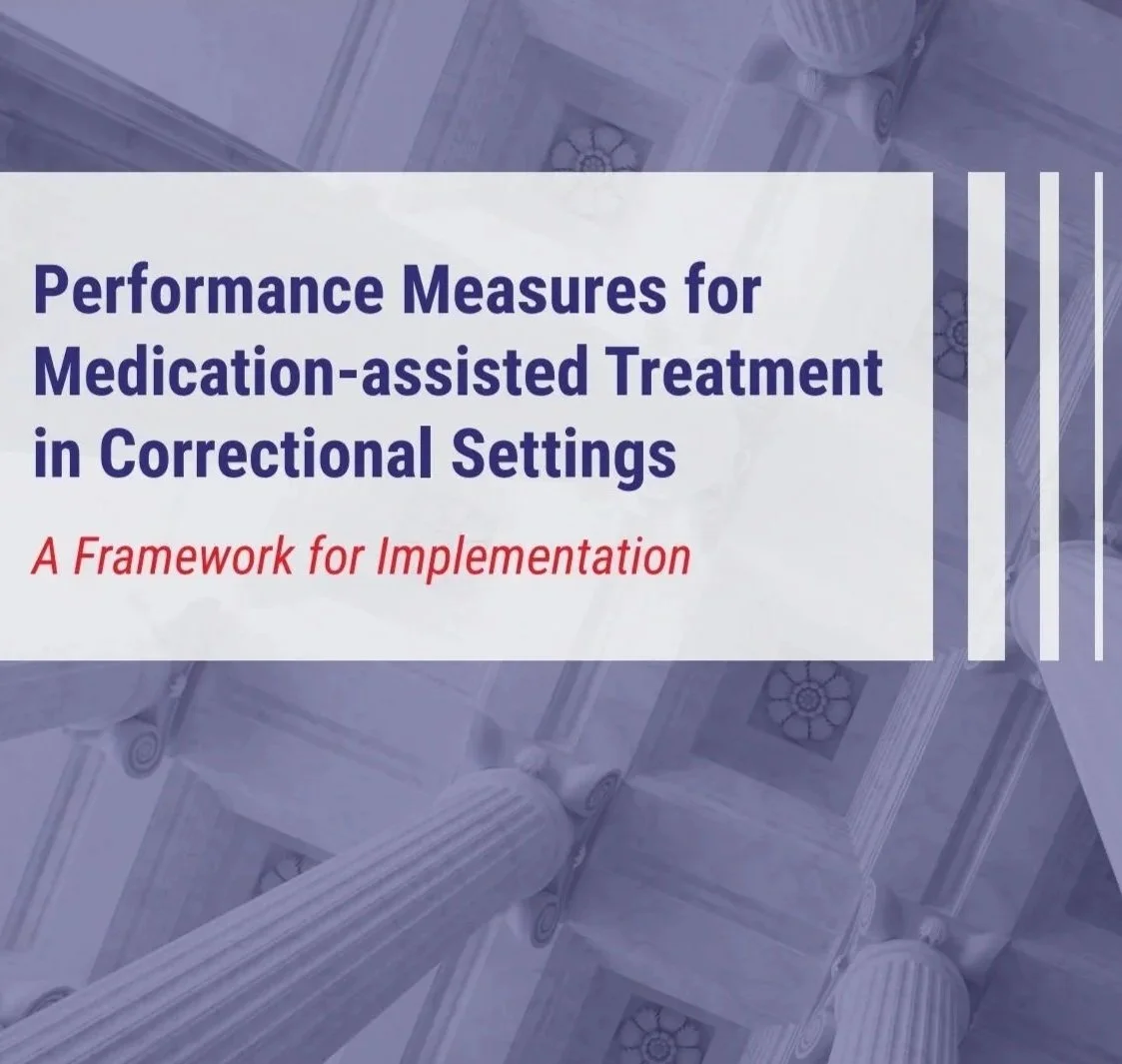
Performance measures for medication-assisted treatment in corrections settings.
In 2022, Rulo Strategies partnered with the Legislative Analysis and Public Policy Association (LAPPA) to develop performance measures focused on ensuring access to care, patient engagement, and successful treatment outcomes, particularly in correctional settings. Key measures include universal screening for substance use disorders, timely initiation of MAT for new episodes of dependence, retention in treatment, and continuity of care after release.